
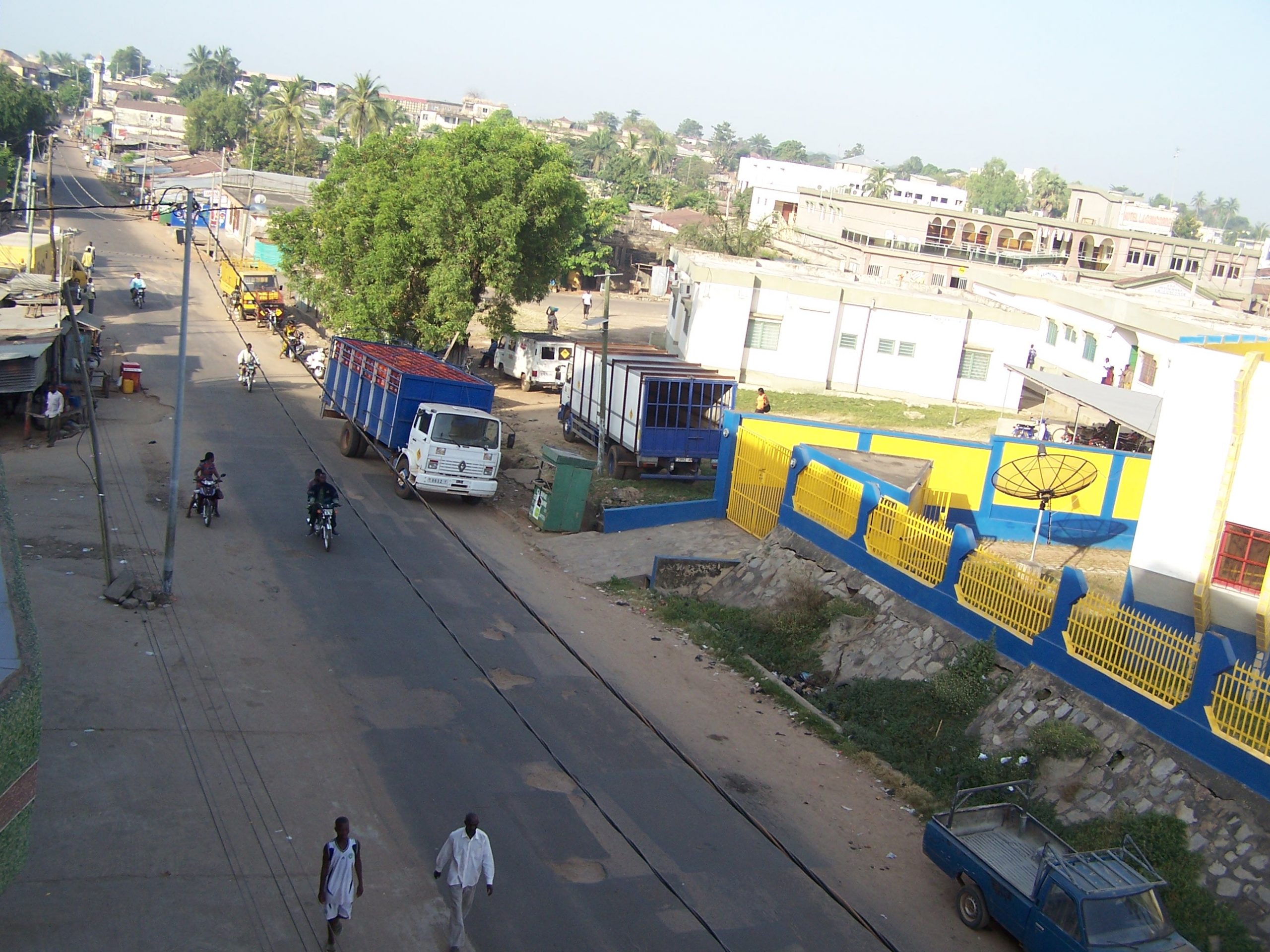
Hey there! Let’s dive into an in-depth exploration of the largest cities in Togo, a vibrant West African nation brimming with cultural richness and hidden gems. From bustling urban centers to historic hubs, this guide will take you on a journey through Togo’s most significant cities, painting vivid pictures of their landscapes, histories, and modern-day allure. Buckle up for an adventure that’s as colorful as a Lomé market on a sunny afternoon!
The Heart of Togo: An Overview of Its Urban Giants
Togo, a slender strip of land nestled between Ghana and Benin, might be small in size, but its cities pulse with life and diversity. Often overshadowed by larger West African neighbors, Togo’s urban centers are treasure troves of history, commerce, and culture. The country’s largest cities aren’t just population hubs; they’re living, breathing mosaics of colonial pasts, traditional roots, and modern aspirations. Let’s explore the biggest players on this dynamic stage, each with its own unique story to tell.
While Togo’s urbanization rate hovers around 43% as of recent estimates, its major cities are growing rapidly, fueled by economic opportunities and rural-to-urban migration. From coastal capitals to inland trade posts, these cities shape the nation’s identity. Curious about what makes each of them tick? Let’s zoom in for a closer look.
Lomé: The Coastal Capital of Endless Energy
Picture this: a city where the Atlantic Ocean kisses the shore, vibrant markets spill onto every street corner, and the air hums with the chatter of a thousand voices. That’s Lomé, Togo’s capital and largest city, home to over 1.8 million people as of 2023 estimates. Straddling the Gulf of Guinea, Lomé is the beating heart of Togo, a place where modernity and tradition dance in perfect harmony.
As the political and economic epicenter, Lomé hosts the country’s major port, a critical gateway for trade across West Africa. Walk along its bustling boulevards, and you’ll encounter everything from sleek government buildings to the chaotic charm of the Grand Marché, a sprawling market where vendors hawk colorful fabrics, spicy street food, and handmade crafts. But Lomé isn’t just about commerce—it’s a cultural cauldron. The city’s nightlife, with its lively bars and Afrobeat rhythms, could rival any major metropolis.
Beyond the hustle, Lomé carries a poignant history. Once a key point in the transatlantic slave trade, its beaches whisper tales of sorrow and resilience. Today, monuments and museums, like the Independence Monument, stand as reminders of Togo’s journey to sovereignty in 1960. If you ever visit, don’t miss the Fetish Market, a surreal spot where traditional healers sell charms and potions—a window into the country’s deep-rooted spiritual beliefs.
Sokodé: The Cultural Crossroads of Central Togo
Moving inland, we find Sokodé, Togo’s second-largest city with a population of approximately 120,000. Nestled in the central region, Sokodé is often called the “city of two faces” for its blend of Islamic and animist traditions—a testament to Togo’s incredible religious diversity. Unlike the coastal vibrancy of Lomé, Sokodé offers a quieter, more introspective charm, with dusty roads framed by savanna landscapes.
Sokodé serves as a vital trade hub connecting northern and southern Togo, its markets brimming with yams, millet, and livestock. But what truly sets this city apart is its cultural tapestry. The majority Tem people celebrate the Adossa festival, a mesmerizing initiation rite for young men involving knife dances—a spectacle that draws visitors from far and wide. Imagine the rhythm of drums echoing under a starry sky as performers defy pain and tradition comes alive. It’s a scene you won’t forget.
Yet, Sokodé isn’t without challenges. Infrastructure lags behind Lomé, and access to education and healthcare remains uneven. Still, the city’s resilience shines through in its tight-knit communities and unwavering pride in heritage. It’s a place that teaches you the beauty of simplicity, where a smile from a stranger feels like a warm embrace.
Kara: The Northern Gateway with a Presidential Legacy
Further north lies Kara, a city of roughly 110,000 residents, often dubbed the “presidential city” due to its ties to Togo’s long-ruling Gnassingbé family. Surrounded by the lush hills of the Kabye region, Kara offers a stark contrast to the flat coastal plains of Lomé. Its landscape alone is a feast for the eyes—think rolling green hills dotted with traditional mud-brick homes, a postcard from a bygone era.
Kara is more than just pretty scenery; it’s an agricultural powerhouse. The city thrives on cotton, coffee, and cocoa production, fueling Togo’s export economy. Markets here are less chaotic than Lomé’s but no less vibrant, with farmers bartering goods under the shade of ancient baobab trees. If you’re lucky, you might witness the Evala festival, a Kabye wrestling tradition where young men prove their strength and courage. It’s raw, intense, and utterly captivating.
Politically, Kara holds a unique place in Togo’s history. As the birthplace of former President Gnassingbé Eyadéma, it has seen significant investment in infrastructure, including schools and roads, though some locals argue it’s still playing catch-up with the south. Despite its quieter demeanor, Kara’s strategic location near the borders of Ghana and Burkina Faso makes it a melting pot of influences, a northern sentinel watching over Togo’s diverse heartland.
Atakpamé: The Hilly Haven of Commerce and Craft
Tucked into the rolling Plateaux Region, Atakpamé is a city of about 85,000 people, often overlooked by travelers but cherished by those who know its secrets. Known as the “city of seven hills,” Atakpamé’s terrain is a patchwork of emerald slopes and winding paths, offering breathtaking views at every turn. It’s the kind of place where you feel nature and humanity coexist in quiet harmony.
Historically, Atakpamé was a key stop on ancient trade routes, and that legacy lives on in its bustling markets. Artisans here are renowned for weaving and pottery, their intricate designs reflecting centuries of skill passed down through generations. The city also plays a pivotal role in Togo’s agricultural sector, with vast plantations of palm oil, cassava, and maize stretching across the surrounding countryside.
But what truly captures the imagination in Atakpamé is its cultural depth. The annual Yam Festival, celebrated with feasts and dances, honors the region’s staple crop and the ancestors who tilled this land. Picture communal tables laden with steaming dishes, laughter ringing through the air, and stories of old weaving through the crowd. It’s a reminder of how deeply rooted Togolese identity is in the earth itself. Yet, like many smaller cities, Atakpamé grapples with limited access to modern amenities—a challenge that only fuels its community’s grit and determination.
Kpalimé: The Artistic Soul Near the Ghanaian Border
Just a stone’s throw from Ghana, Kpalimé (or Palimé) charms with its population of around 75,000 and a reputation as Togo’s artistic and ecological gem. Nestled at the foot of Mount Agou, the country’s highest peak, Kpalimé feels like a cool, green oasis compared to the sweltering coast. Its climate and scenery have earned it a nickname as the “little Switzerland of Togo”—and trust me, the comparison isn’t far-fetched when you see misty hills cloaked in coffee plantations.
Kpalimé is a haven for creatives. The city is dotted with workshops where sculptors, painters, and weavers turn raw materials into stunning works of art. Tourists flock here for unique souvenirs, but also for the chance to hike through lush forests or visit cascading waterfalls like Womé. It’s a city that invites you to slow down, breathe deeply, and soak in the serenity—a rare gift in our fast-paced world.
Economically, Kpalimé thrives on agriculture, particularly coffee and cocoa, much of which is exported through Lomé’s port. Yet, despite its natural wealth, the city faces hurdles like inadequate infrastructure and seasonal flooding. Still, the spirit of Kpalimé’s people—warm, inventive, and proud—shines brighter than any challenge. If you’re ever in Togo, this hidden paradise is a must-see.
Fascinating Tidbits: Uncovering Togo’s Urban Wonders
- 🌍 Lomé’s Dual Personality: Did you know Lomé is one of the few capitals in the world that directly borders another country? Its western edge touches Ghana, making cross-border day trips a quirky reality for locals.
- 🎭 Sokodé’s Knife Dance: The Adossa festival in Sokodé isn’t just a cultural event—it’s a test of endurance. Performers dance with knives pressed against their skin, a daring display of faith and bravery that leaves spectators in awe.
- 🏞️ Kpalimé’s Green Heart: Often called Togo’s eco-tourism capital, Kpalimé is home to the Kloto Forest, a biodiversity hotspot where rare butterflies and birds paint the canopy with life.
- 🤼 Kara’s Wrestling Roots: The Evala festival in Kara isn’t just sport—it’s a rite of passage. Young Kabye men wrestle to prove their readiness for adulthood, cheered on by entire villages in a celebration of strength.
- 🌾 Atakpamé’s Yam Obsession: Yams aren’t just food in Atakpamé; they’re sacred. The Yam Festival is a spiritual event, blending gratitude for harvests with ancient rituals that honor the land.
These snippets barely scratch the surface of what makes Togo’s cities so captivating. Each fact is a doorway into a deeper story, inviting you to explore beyond the guidebooks and truly connect with the soul of this West African wonder.
Comparing Togo’s Urban Titans: A Snapshot
To give you a clearer picture of how these cities stack up, let’s lay out some key stats and characteristics. Whether you’re planning a visit or just curious about Togo’s urban diversity, this comparison highlights what makes each city stand out.
| City | Population (Approx.) | Region | Key Features |
|---|---|---|---|
| Lomé | 1,800,000 | Maritime | Capital, major port, cultural hub |
| Sokodé | 120,000 | Centrale | Trade center, cultural festivals |
| Kara | 110,000 | Kara | Agricultural hub, political significance |
| Atakpamé | 85,000 | Plateaux | Hilly terrain, artisan crafts |
| Kpalimé | 75,000 | Plateaux | Eco-tourism, artistic community |
Source: Population estimates based on data from World Bank reports and Togo’s national statistics.
This table is just a starting point. Each city’s true essence lies not in numbers but in the stories etched into its streets, the laughter of its people, and the dreams that fuel its growth. Which of these urban jewels would you visit first? For me, it’s a tough call between Lomé’s electric energy and Kpalimé’s tranquil beauty.
Why Togo’s Cities Matter: A Broader Perspective
Togo’s largest cities are more than dots on a map—they’re the lifeblood of a nation striving to balance tradition with progress. Lomé’s port drives economic growth, while Sokodé and Kara preserve cultural identities that define Togolese pride. Atakpamé and Kpalimé, though smaller, remind us of the country’s natural and artistic wealth, often hidden from the global spotlight.
Isn’t it fascinating how a country so compact can house such diverse urban souls?
These cities face shared challenges—urban overcrowding, uneven development, and climate vulnerabilities—but their resilience is inspiring. From Lomé’s street vendors innovating daily to Kpalimé’s artists crafting beauty from struggle, Togo’s urban centers teach us that growth isn’t just about skyscrapers; it’s about community, culture, and heart. As Togo continues to evolve, these cities will undoubtedly remain at the forefront, shaping a future as vibrant as their pasts.